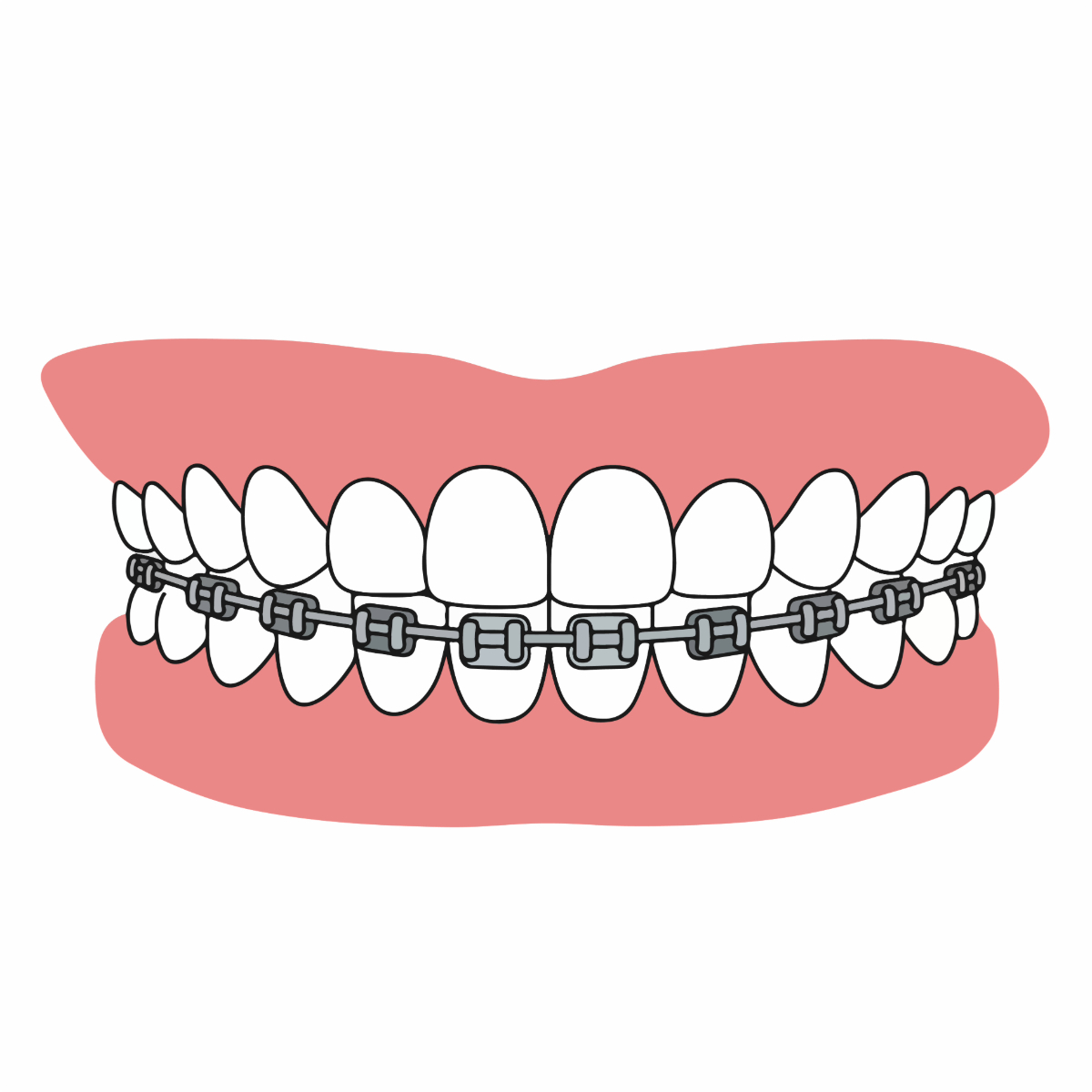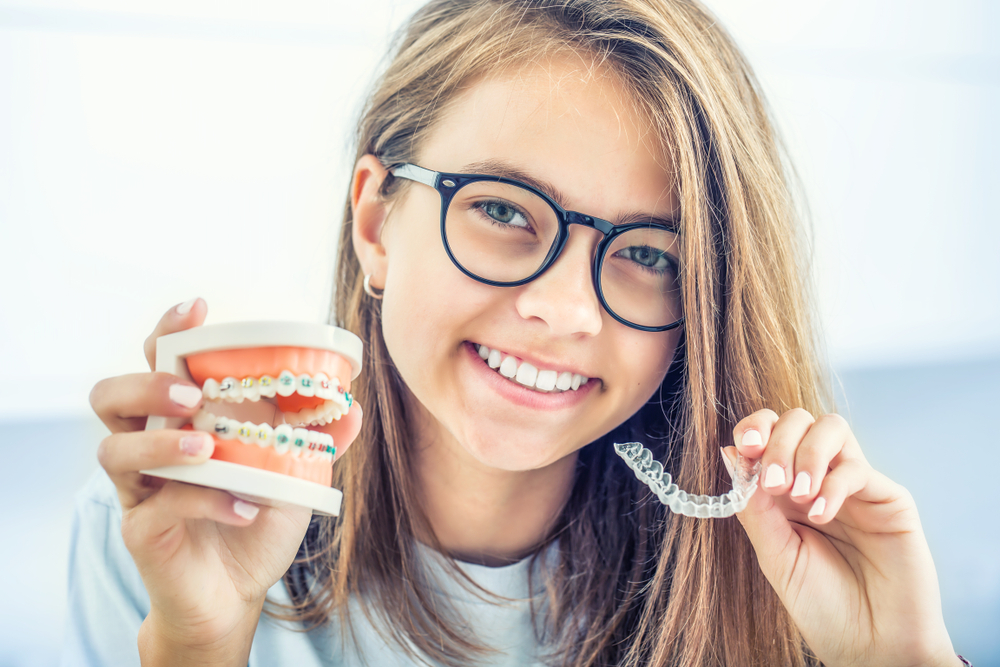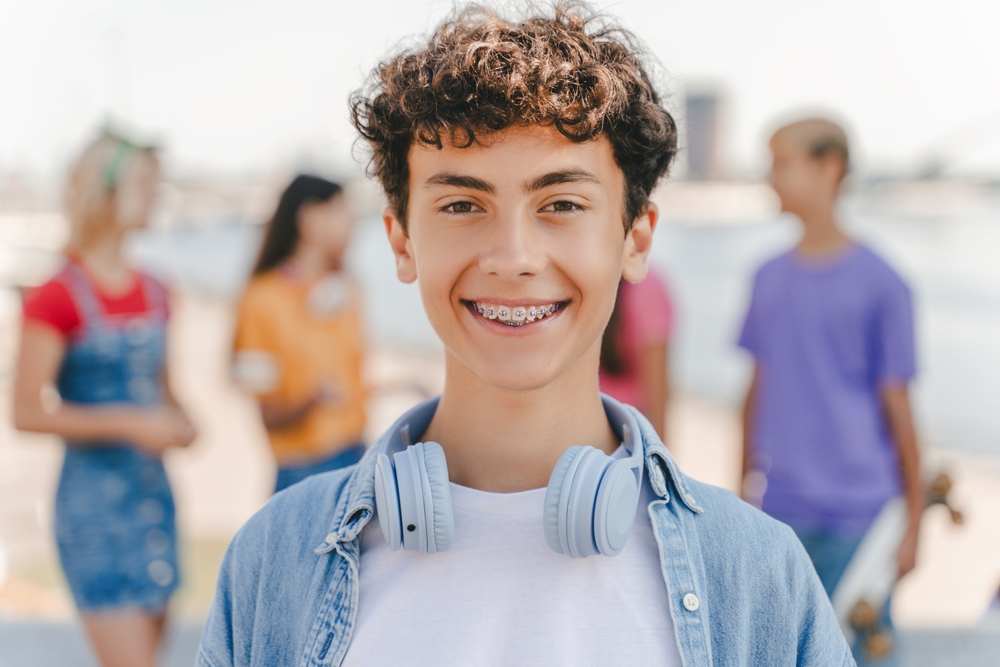
Say the braces go on Tuesday and the game is Saturday. Somewhere between the two, a parent asks a fair question: can my kid still play?
The American Association of Orthodontists (AAO) frames its advice for athletes in braces around protection: what you wear in your mouth while you play, and what to do if something breaks or a tooth gets hurt. Your orthodontist can talk through your own sport and treatment.
The AAO strongly recommends wearing a mouthguard with braces for practice and games. The AAO calls custom mouthguards the best choice for protecting your orthodontic treatment and says to talk with your orthodontist about which mouthguard is right for you. Take a removable retainer out for contact sports. If a bracket comes loose, call our office right away and bring the piece with you. If a permanent tooth is knocked out or badly moved, get emergency care right away.
Can you play sports with braces?
The AAO’s advice to athletes in braces is to protect your mouth while you play. On its own mouthguard page, the AAO says wearing a mouthguard with braces is not only possible but strongly recommended, and its tips for athletes say to wear it for both practice and games.
A mouthguard matters more once the brackets are on, for two reasons.
First, brackets have edges. The AAO says the sharp edges of orthodontic appliances can cause serious injury if you are struck in the face or head. The ADA’s consumer site, MouthHealthy, says a mouthguard provides a barrier between the braces and your cheek or lips, which helps you avoid injuries to your gums and cheeks.
Second, the appliance itself can be damaged. The ADA notes that a blow to the face could damage the brackets or other fixed orthodontic appliances, which is why it says a properly fitted mouthguard may be especially important for people who wear braces. The AAO adds that a blow to the mouth can bend wires or break brackets and delay treatment. If the lower teeth have brackets too, the ADA says your dentist or orthodontist may suggest a guard for the lower teeth as well. Ask rather than assume.
If you’re still deciding on treatment, bring the sport question to your consultation. Here’s what to expect from braces at Hulse Orthodontics in Carlsbad.
Does your sport actually need a mouthguard?
Some leagues require one. For the rest, the ADA keeps a list of activities where it recommends a mouthguard, and it’s longer than you might expect.
| Situation | Sports | What that means for a player in braces |
|---|---|---|
| Required by rule | Football, field hockey, ice hockey and lacrosse, where the ADA notes the NFHS (high school) and NCAA (college) mandate mouthguards. Wrestling: the NFHS requires one for any wrestler wearing braces. | Required at those levels. If your child plays in a younger league, check its rulebook. The AAO encourages all players to wear a mouthguard, no matter the sport. |
| Contact and collision sports on the ADA’s recommended list | Including basketball, soccer, water polo, rugby, boxing, martial arts and hockey. | The ADA recommends one. Your league may also require it, so check its rules. |
| Limited-contact and other activities on the ADA’s recommended list | Including surfing, skateboarding, skiing, cycling, inline skating, gymnastics, baseball, softball, volleyball and weightlifting. | The ADA recommends one here too. |
The wrestling line is worth a second look: the rule applies because of the braces. The American Academy of Pediatric Dentistry’s policy on preventing sports-related orofacial injuries also supports continuing these preventive practices in youth, high school and college sports, including wrestling for wrestlers wearing braces.
The third row is the easy one to skip. Non-contact doesn’t mean no risk. MouthHealthy says any athlete may experience a dental injury in non-contact activities too, such as gymnastics and skating, and the ADA’s list recommends a mouthguard for limited-contact activities as well as contact sports. If your kid’s sport or weekend activity is on the list, wear the guard.
What kind of mouthguard works over braces?
Mouthguards come in three categories, defined in the ADA’s own standard (ANSI/ADA Standard No. 99):
- Custom-made. Made in a dental office or lab from an impression of your teeth. The ADA says they can give an optimal fit, but they are the most expensive option and need dental visits for fitting.
- Boil-and-bite (mouth-formed). Softened in hot water, then shaped in your mouth. The ADA says they are generally designed to be fitted at home, following the maker’s instructions, and that a dental professional may help with the final molding, particularly if you have orthodontic appliances.
- Stock. Pre-formed, no shaping. The ADA describes this type as the least effective and the least expensive.
Here’s what the professional groups say about choosing one. The AAO calls custom mouthguards the best choice for safeguarding your orthodontic investment, and it recommends having your orthodontist take a mold of your mouth for the most protective fit, especially if you are in orthodontic treatment. It describes boil-and-bite guards as better than nothing. The Academy for Sports Dentistry’s position statement also recommends properly fitted custom mouthguards, and it lists orthodontic appliances among the things a properly fitted mouthguard has to take into account. The ADA says that, depending on the circumstances, dentists might recommend a custom mouthguard or a properly fitted boil-and-bite, such as one with the ADA Seal of Acceptance.
The AAO suggests asking your orthodontist whether custom mouthguards are a service they offer, and talking with them about which mouthguard is right for you. So ask at your next visit which type suits your sport and your stage of treatment.
When you buy and fit one:
- Follow the package instructions for heating and molding. The ADA says boil-and-bite guards should be fitted according to the manufacturer’s instructions to avoid a poor fit.
- Ask your orthodontist before you mold a boil-and-bite over braces, since the ADA notes a dental professional may help with the final molding when you have orthodontic appliances.
- Replace it if it’s worn, damaged or doesn’t fit well. MouthHealthy notes that teens and children may need to replace mouthguards more often because their mouths are still growing and changing, and the AAO suggests replacing one after a significant growth spurt or a dental procedure.
Tip: Bring your mouthguard along to your appointments. MouthHealthy suggests bringing it to regular dental checkups for an evaluation, and you can ask your orthodontist whether it still fits well over your braces.
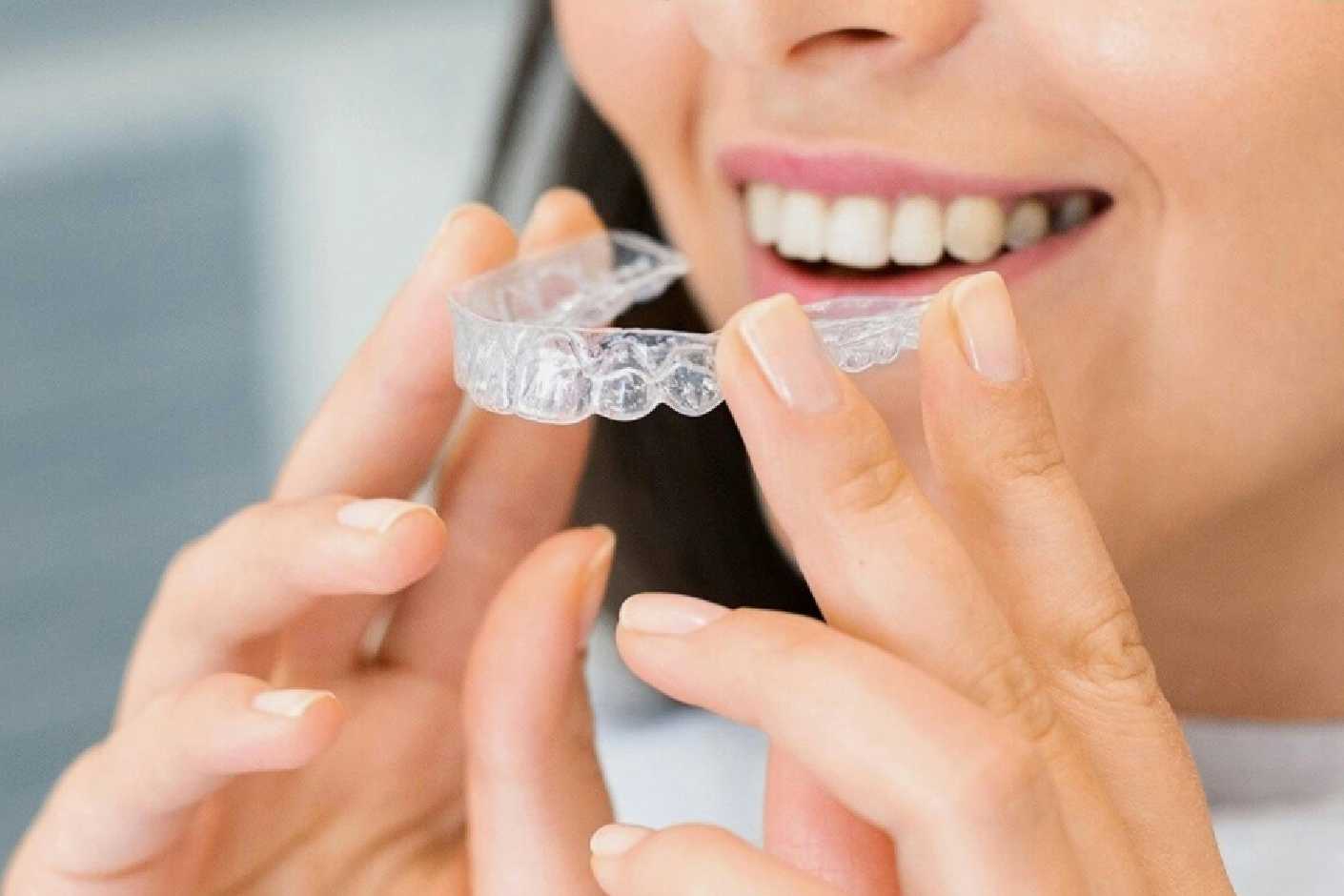
What about a retainer or aligners?
Take it out. MouthHealthy is direct: if you have a retainer or other removable appliance, don’t wear it during any contact sports. Our own appliance care page tells retainer patients to take retainers out when they play sports that require a mouthguard.
If you’re in clear aligners such as Invisalign, the AAO’s tip for athletes is to remove them and wear a mouthguard for contact play.
Our appliance page covers the rest of retainer care.
If a bracket comes loose during a game
This is the question a parent needs answered on a Saturday.
Call our office right away. Our emergency care page also asks you to call rather than come straight to the office if you break or loosen any appliance, so the team can set a time to see you. Then:
- If a bracket or band has come off, keep it and bring it with you to your repair appointment.
- If a wire is irritating your cheek, try moving it away from the sore spot with a cotton swab or an eraser. If it won’t move, cover the end with a small piece of cotton or a little wax, and call the office if that doesn’t solve it.
- Don’t play through it. The AAO says never to play through damaged orthodontic hardware, because it can cause serious injury.
Our emergency care page also covers soreness after your braces go on and after adjustments. If you’re not yet a patient, our office on El Camino Real in Carlsbad serves families throughout Oceanside, Vista, Encinitas and San Marcos.
If a tooth is knocked out or broken
A loose bracket means a call to our office. An injury to the teeth, mouth or jaw is different, and it comes first. The AAO’s guide to orthodontic emergencies and the ADA’s dental emergencies page say:
- Heavy bleeding, trouble breathing or a possible broken jaw: the AAO says to call 911 or seek emergency care right away.
- A permanent tooth that is knocked out, pushed deep into the gums or moved far out of position: the AAO says to seek emergency care immediately, at an emergency room or an urgent dental clinic.
- A knocked-out permanent tooth: the ADA says to keep it moist at all times. If you can, place it back in the socket without touching the root. If that’s not possible, hold it between the cheek and gums, put it in milk, or use a tooth preservation product with the ADA Seal of Acceptance. Then get to a dentist right away.
- A cracked tooth: the ADA says to rinse the mouth with warm water right away and put cold compresses on the face to keep swelling down, and to see a dentist or go to an emergency room as soon as possible.
Once you’re safe, the AAO says to contact your orthodontist so the braces can be repaired or adjusted. Call our office then, too.
How much does a mouthguard actually help?
The ADA says mouthguard use has been shown to reduce the risk of sport-related dental injuries. Its summary of the research, updated in August 2026, cites several studies, and they measure the effect in different ways:
- A 2007 meta-analysis of team contact sports put the risk of mouth and face injury at 1.6 to 1.9 times higher in players who didn’t use any mouthguard.
- A 2002 study of college basketball players found a dental injury rate one-fifth as high among players wearing custom-fitted mouthguards as among players who didn’t use one.
- A 2019 systematic review reported that mouthguard users were 82 to 93 percent less likely to suffer dentofacial injuries.
- Another 2019 systematic review found that people who didn’t use mouthguards had more than twice the risk of mouth and face injury.
The ADA notes these findings are consistent with numerous studies showing fewer mouth injuries with mouthguards. The ADA describes these as studies of athletes and sports participants, and none of them is described as a study of players in braces, so treat them as the general picture rather than a figure for your child.
On concussions, the ADA’s summary is more cautious. It describes the evidence as mixed and less consistent than for dental injuries: one systematic review found a modestly higher concussion risk among mouthguard non-users, other studies contradict each other, and a 2009 review found no significant effect on concussion among professional ice hockey players. The ADA says more research is needed. So buy the guard to protect the teeth, lips and braces, and take any concussion questions to your child’s doctor.
Frequently asked questions
Can I wear a mouthguard with braces?
Yes. The American Association of Orthodontists says wearing a mouthguard with braces is not only possible but strongly recommended, and the ADA says a properly fitted mouthguard may be especially important for people with braces because a blow to the face could damage the brackets. Talk with your orthodontist about which type suits you.
What mouthguard do I use if I have braces?
The AAO calls custom mouthguards the best choice for protecting your orthodontic treatment, and recommends having your orthodontist take a mold of your mouth, especially during treatment. The ADA says dentists might recommend either a custom mouthguard or a properly fitted boil-and-bite, such as one with the ADA Seal of Acceptance, and describes stock mouthguards as the least effective type. Ask your orthodontist which type suits your sport and your stage of treatment.
Is it okay to mold a mouthguard with braces?
Boil-and-bite mouthguards are generally designed to be fitted at home, and the ADA says to follow the manufacturer’s instructions. It also says a dental professional may help with the final molding, particularly if you have orthodontic appliances, so ask your orthodontist before you mold one over braces.
What happens if I wear a mouthguard with braces?
MouthHealthy says a mouthguard helps cushion a blow to the face and provides a barrier between the braces and your cheek or lips, and the ADA notes a blow could otherwise damage the brackets. Replace it if it shows wear, is damaged or no longer fits well, and ask your orthodontist to check the fit if you’re unsure.
Ready to play? Ask us at your next visit
The AAO’s advice is to talk with your orthodontist about which mouthguard is right for you, and an appointment is a good time to ask. If your child is about to start treatment and the season is already on the calendar, book a free consultation with Dr. Cameron Hulse, a specialist orthodontist in Carlsbad, and bring the sport question with you.
Prefer to call? (760) 448-1344
The information in this article is for educational purposes only and is not a substitute for professional medical or dental advice. For questions about your own treatment, injuries, or appliances, talk to your orthodontist.

Dr. Cameron Hulse grew up in Southern Orange County, California. While in his own orthodontic treatment in high school, Dr. Hulse realized how much his new smile changed him and decided he wanted to improve other’s teeth and smiles. Dr. Hulse pursued his dream and completed a BS in Zoology at Brigham Young University. Then he was selected to attend the University of Southern California’s prestigious School of Dentistry where he received his D.D.S.. After Dental School, he switched coasts and completed his orthodontic residency at Jacksonville University where he received his CAGS.