

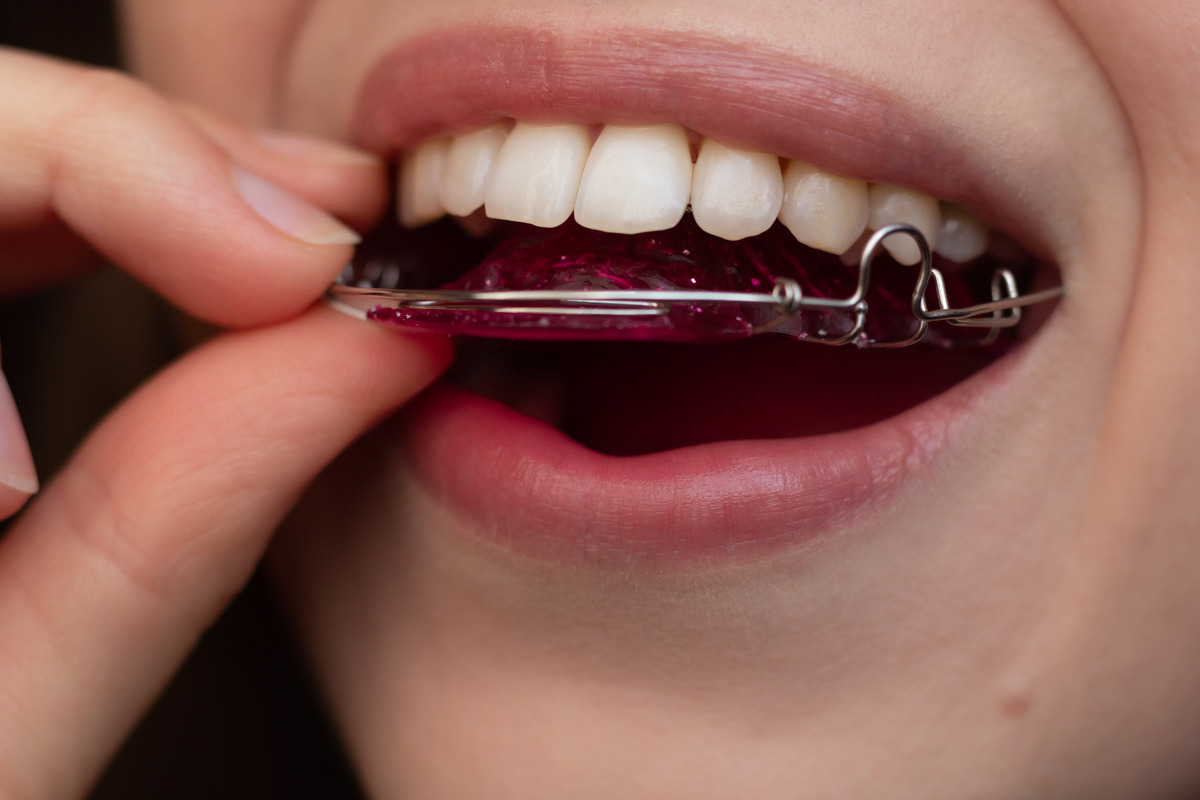
Losing or breaking a retainer has a way of turning into a money question fast. Maybe it went out with a lunch tray, warped in a hot car, or the dog found it. Now you need a new one, and you have no idea what that costs.
Quick Answer
Quick answer: how much do retainers cost? Most retainers cost between $100 and $1,000 each, depending on the type. At an orthodontist, a Hawley retainer typically runs about $375 to $475, a clear (Essix) retainer about $350 to $650, and a clear aligner-style (Vivera) retainer about $500 to $1,000. Permanent, bonded retainers usually cost around $250 to $600 per arch. Costs depend on the retainer type, whether you need one arch or both, and whether it is your first retainer or a replacement.
Table of Contents
Retainer Cost by Type: Hawley, Clear, and Permanent
Not all retainers are priced the same, and the gap between the cheapest and the most expensive is large. Here is how the main types compare when they come from an orthodontist.
| Type of retainer | Typical cost | How long it lasts |
|---|---|---|
| Hawley (wire and acrylic) | $375 – $475 | 5 – 10 years with care |
| Clear / Essix (thin plastic) | $350 – $650 | 1 – 2 years typically |
| Clear aligner-style (Vivera) | $500 – $1,000 | 1 – 3 years per retainer |
| Permanent / bonded (fixed wire) | $250 – $600 / arch | 10 – 20 years if the bond holds |
A few things worth knowing before you compare quotes. Prices for orthodontist-made retainers sit above the national blog averages you will see online, and well above the mail-order kits that advertise as low as $25 to $170. That difference reflects a custom appliance made from a professional scan and fitted in person.
Each type also has a trade-off beyond price. A Hawley is the most durable and can sometimes be adjusted instead of remade, but the wire shows across your front teeth. A clear retainer is nearly invisible and cheaper up front, but the thin plastic clouds, warps, or cracks and has the shortest lifespan. A Vivera uses a heavier, more durable plastic than standard clear material. A permanent retainer is bonded behind your teeth so you can never forget to wear it, but it is harder to clean and the wire can quietly come loose. If a bonded retainer has already failed on you, our guide on what to do when a permanent retainer breaks walks through the fix.
How Much Does a New or Replacement Retainer Cost?
This is the question most people are actually asking, because the first retainer rarely arrives as its own bill. A replacement retainer typically costs the same as a brand-new one of that type, using the figures in the table above. Hulse Orthodontics lists its own replacement fee and Retainer Assurance plan for clear removable retainers on our retainers page.
That surprises people, and it helps to know why. Your original retainer was bundled into the total price of your braces or Invisalign, so you never saw a separate line item for it. A replacement is a standalone appliance, and it takes the same steps to make: a fresh scan or impression of your teeth as they sit today, lab fabrication, and an in-person fitting. Same process, same cost structure.
There is one honest way to pay less. If your orthodontist still has a recent digital scan of your teeth on file and your teeth have not shifted, some practices can make a replacement from that scan at a reduced fee, and sometimes skip an extra visit. It is always worth asking before you assume full price.
The bigger risk is waiting. Teeth can start to shift once a retainer is out of use, and how fast varies from person to person, so a replacement made months later may have to be built to a new tooth position, not your original one. Let that go too long and a simple $400 retainer can turn into a request for limited re-treatment with Invisalign or braces first. You can see how that math compares on our cost of treatment page. The takeaway is simple: replace a lost retainer quickly, before shifting turns it into a much larger bill.
What Makes One Retainer Cost More Than Another?
If you have been comparing prices online and getting wildly different numbers, the spread is real. A handful of factors explain almost all of it.
- Type and material. Bonded and aligner-style retainers use more material and lab work than a basic clear retainer, so they cost more.
- One arch or both. Most quotes are per arch. A full set for your upper and lower teeth runs roughly double a single-arch price.
- A new scan versus one on file. Fabricating from a fresh impression costs more than remaking from a scan your orthodontist already has.
- Who makes it. An orthodontist, a general dentist, and a mail-order company are three different price tiers for three different levels of oversight.
Orthodontist-Fitted vs Cheap Mail-Order Retainers: Is the Price Difference Worth It?
Mail-order retainers are real, and they are genuinely cheaper, often a fraction of in-office pricing. You order an at-home impression kit, send it back, and a custom retainer ships to your door. So what is the catch?
The catch is the impression. With a mail-order retainer, you take your own mold at home, and the company has no way to check whether you did it correctly. A slightly off impression produces an ill-fitting retainer that can rub, irritate, or fail to actually hold your teeth, which is the entire point of wearing one. An orthodontist-made retainer starts from a professional scan, includes a quick check of your bite and oral health, and gets adjusted on the spot when you pick it up.
Does Insurance Cover Retainers? Plus FSA, HSA, and Payment Plans
Here is the part that catches adults off guard at the front desk. Your first retainer is often folded into the orthodontic benefit that helped pay for your braces, so it may already be covered. A replacement is a different story.
Most dental plans do not cover replacement retainers, because insurers treat them as maintenance rather than active treatment. When orthodontic benefits do apply, they usually fall under a separate lifetime maximum that varies from plan to plan, and many people have already used it. It is worth a two-minute call to your plan to confirm your orthodontic maximum and any exclusions before you assume anything.
One piece of good news: a retainer prescribed by your dental provider is an eligible expense for an FSA, HSA, or HRA, so you can often use pre-tax dollars even when insurance says no. And if a replacement lands at a tough time, Hulse Orthodontics offers in-house financing and payment plans, plus a complimentary consultation so you know the cost before you commit.
How to Make Your Retainer Last and Avoid Paying Twice
The cheapest retainer is the one you do not have to replace, and a little care buys you years. Most damage is completely preventable.
- Always use the case. Retainers wrapped in a napkin end up in the trash. That single habit causes a huge share of replacements.
- Keep it cool. Rinse and clean with cool water only. Hot water, boiling, and the dishwasher warp clear retainers past the point of use.
- Clean it gently. Brush it with a soft brush and a small bead of toothpaste, and never use bleach.
- Mind the pets. Dogs are drawn to the smell. Keep the case up and closed.
Replace a retainer when it cracks, warps, no longer snaps in cleanly, or simply wears out on the timeline in the table above. If you are in Carlsbad and need a new retainer or just want a fit check, you can learn more about our retainers or book a free virtual smile assessment to get started without a trip to the office.
Frequently Asked Questions About Retainer Cost
Does insurance pay for retainers?
How much do dentists charge for a retainer?
How long do retainers last?
Is a retainer cheaper than braces?
How much is a replacement retainer?
Why do retainers cost so much?
Still weighing your options? Explore our full range of treatment options, or see exactly what to expect at your first visit.
Need a replacement retainer, or a check on how your teeth have settled since braces? Talk to your Carlsbad orthodontist.
Questions about your braces or Invisalign?
Whatever’s on your mind, our Carlsbad team is happy to help, no judgment, just straight answers and a plan for a healthy smile.
Prefer to call? (760) 448-1344
The information in this blog is for educational purposes only and is not a substitute for professional dental or medical advice. Costs are general ranges and vary by patient; ask our office for a specific quote. Always consult your orthodontist about your treatment.

Dr. Cameron Hulse grew up in Southern Orange County, California. While in his own orthodontic treatment in high school, Dr. Hulse realized how much his new smile changed him and decided he wanted to improve other’s teeth and smiles. Dr. Hulse pursued his dream and completed a BS in Zoology at Brigham Young University. Then he was selected to attend the University of Southern California’s prestigious School of Dentistry where he received his D.D.S.. After Dental School, he switched coasts and completed his orthodontic residency at Jacksonville University where he received his CAGS.
Join the discussion 2 Comments