

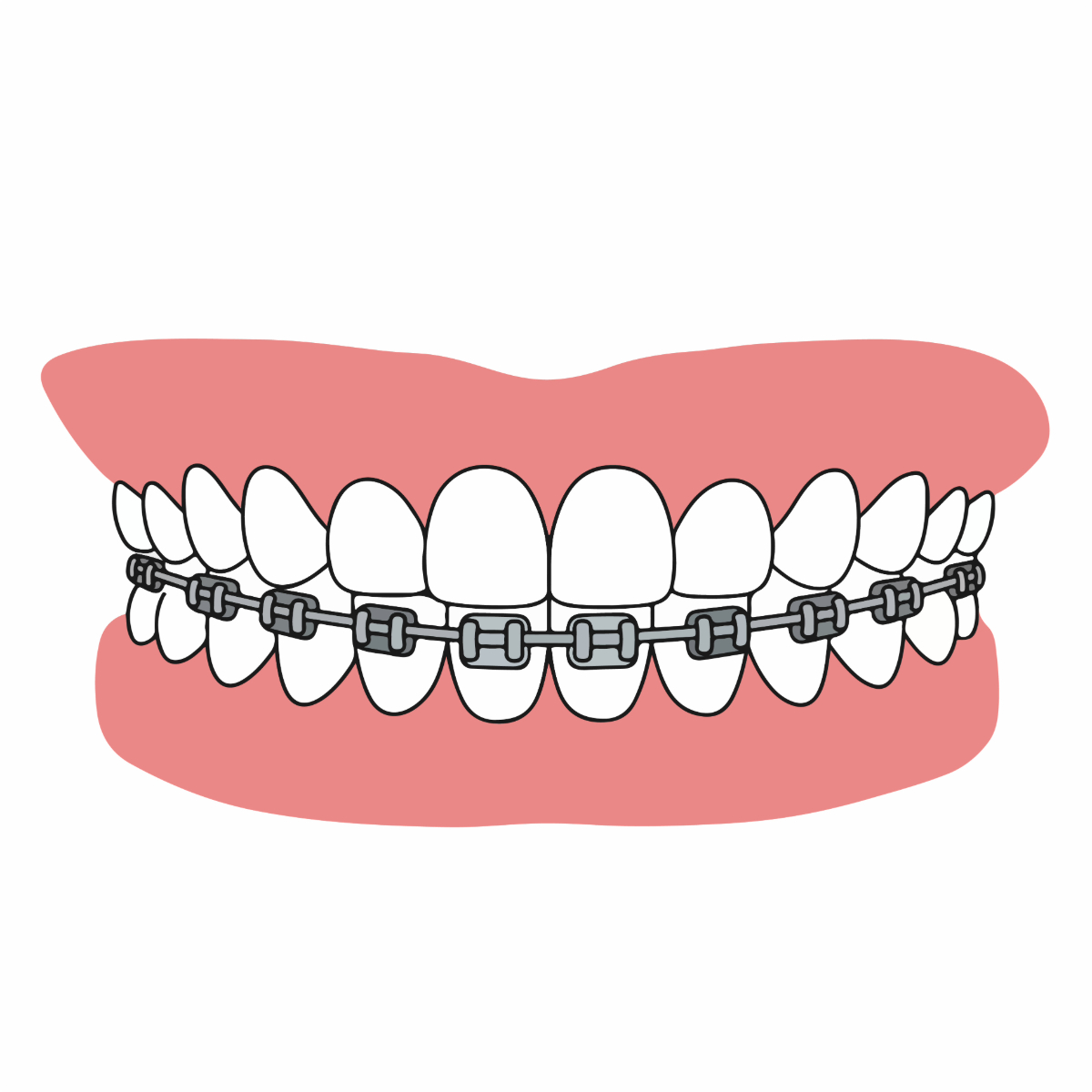
You look in the mirror and only the bottom teeth look crowded. The top looks fine. So the natural question follows: can you skip half the treatment, save time and money, and just fix the bottom? Parents ask it about their kids, and adults ask it about themselves.
Here is the honest answer. Yes, bottom teeth only braces (what orthodontists call single-arch treatment) are a real option, but they fit only a minority of cases: when the other arch is already well aligned and the bite is healthy. Most of the time the right call is to treat both arches, and we will explain why.
Quick Answer
Yes, bottom-teeth-only (single-arch) braces exist, but they fit only a minority of cases: when the top teeth are already well aligned and the bite is healthy. Most of the time, treating both arches is the right call, because moving one arch alone can throw off how your teeth meet.
This guide covers what goes wrong when you move only one arch, when bottom-only genuinely makes sense, the difference for kids, the looks-and-cost angle, and how retainers fit in.
Table of Contents
Can you get braces on just your bottom teeth?
Yes, treating just the lower arch is real and sometimes the right tool. It is the exception, not the default. Most patients who ask about it are advised to do both arches, for one clinical reason: your upper and lower teeth work as a single system.
They rely on each other for alignment, function, and long-term health. Change the position of the lower teeth and you change how the whole bite comes together, the way reshaping one half of a puzzle stops the pieces from fitting.
Some practice blogs cite a specific figure for how often single-arch is used, but no authoritative source (the AAO, a peer-reviewed study, or a university) backs it up. So we say it plainly: single-arch fits a minority of cases, and only an exam can tell you whether yours is one.
Moving one arch alone can create a bite problem that costs more to fix later than doing it right the first time. The only way to know what fits you is a look at your actual teeth, which is what a free consultation is for. We will walk you through your real treatment options once we can see your bite.
What goes wrong when you move only one arch
Your top and bottom teeth are meant to meet in a specific, even way when you close down. Straighten only the bottom, and you change where those teeth land. They may no longer meet the top teeth the way they used to.
That can show up in a few ways. You might get an uneven bite, where the front teeth hit harder than the back. You might get an open bite, where the front teeth no longer touch at all when you close down. Or the arches may simply stop fitting together cleanly.
This is where it stops being cosmetic and starts mattering clinically. An uneven bite can lead to occlusal trauma, where the teeth take on more force than the supporting gum and bone can handle. Reported signs include loose teeth, jaw joint (TMJ) pain, pain when you chew, and gum problems.
Where gum and bone are already weakened, forces the teeth used to handle can start to cause damage. The newly straightened teeth are also more likely to drift back without a balanced bite to hold them. TMJ strain is a consequence of a bad bite, not something we treat, and it is one more reason to get the bite right the first time.
When bottom teeth only braces actually make sense
Single-arch treatment earns its place in a narrow set of situations: the untreated arch is already well aligned, the crowding on the treated arch is mild, and, most important, the bite is already healthy. Check those boxes and moving one arch will not throw off how your teeth meet.
A few legitimate cases come up again and again:
- A straight, healthy top with minor lower crowding. With an aligned upper arch and a sound bite, correcting mild crowding on the bottom alone can be reasonable.
- A relapse touch-up. Someone who finished full braces years ago and needs a short correction on shifted lower front teeth is a classic candidate.
- Kids in Phase 1. Growth-guided appliances on one arch are a different situation entirely, covered in the next section.
Who is usually not a candidate? Anyone with an existing bite discrepancy, TMJ symptoms, or moderate-to-severe crowding. The crowding may look mild while the underlying bite tells a different story, and single-arch alone leaves those cases with a compromise.
An orthodontist confirms candidacy with x-rays, 3D scans, and a bite analysis before agreeing to single-arch treatment. It is a clinical judgment, not something you pick off a menu. This is where our specialist orthodontist exam earns its keep, and where we figure out whether metal braces or clear aligners suit your case.
My child's bottom teeth look crowded. Should we just fix those?
If you are a Carlsbad parent looking at your child's crowded lower teeth while the top looks fine, the instinct to just fix the bottom makes complete sense. It is the same reasoning adults use. With a growing child, though, the whole picture is different.
An orthodontist evaluates jaw growth and whether there is room for the permanent teeth still coming in, not just the teeth you can see today. What looks like a simple crowding problem is often really a question of space and timing.
That is what Phase 1, or interceptive, treatment is for. It typically happens between ages 7 and 10, and the American Association of Orthodontists recommends an evaluation around age 7. Phase 1 usually runs about 9 to 12 months, followed by a resting period while your child keeps growing.
The key distinction: an appliance placed on only the lower arch during Phase 1 is normal, growth-guided care, not the cosmetic bottom-only choice this article warns adults against. So the honest move for a parent is an evaluation, not a guess. We offer Phase 1 early treatment and Invisalign Teen for older kids. You can book a free consultation, or start with a free virtual smile assessment without a trip to the office.
If it is really about looks or cost: Invisalign and the honest math
Often the bottom-only request is really about one of two things: not wanting braces to show, or wanting to spend less. Both deserve a straight answer.
If the motive is looks, the better route is usually clear aligners or clear and ceramic braces, which treat both arches discreetly. Invisalign and Invisalign Teen are nearly invisible, so you do not have to compromise your bite to avoid a visible smile. Single-arch Invisalign exists too, but whether it suits you depends on your bite, which only an exam can show.
If the motive is cost, the honest math is that single-arch is not half price. For aligners, one arch is not necessarily half the cost of two, because diagnosis, treatment planning, appointments, and retention still make up much of the work no matter how many arches move. Single-arch braces tend to cost less than full treatment as well, but the discount is partial rather than half, for the same reason.
There is a catch worth naming. If bottom-only creates a bite problem that has to be corrected later, the total can end up higher than treating both arches from the start, turning a perceived saving into a false economy.
For how we actually structure cost, including in-house financing and payment plans, see our cost of treatment page. The clearest way to compare your options is a free consultation, where the numbers are based on your actual teeth.
Retainers and relapse: why teeth shift after braces
For a lot of adults, the reason the bottom looks crowded now is relapse. Teeth can shift over time after braces, and most relapse happens in the first 6 months after braces come off, which is why retainer wear matters so much.
So a bottom touch-up without a retention plan just sets up the same drift all over again. Retention is the real fix, not the touch-up. For the average patient, that means wearing a removable retainer full-time for the first 2 months and then while sleeping, and Hulse Orthodontics recommends wearing retainers for life. Dr. Hulse will give you specific instructions for your case.
A bonded lower retainer is a common low-maintenance option because it does not depend on you remembering. We make and manage retainers, and we will build a retention plan into whatever treatment is right for you.
Questions about your braces or Invisalign?
Whatever’s on your mind, our Carlsbad team is happy to help, no judgment, just straight answers and a plan for a healthy smile.
Prefer to call? (760) 448-1344
Frequently Asked Questions
Can you really get braces on just your bottom teeth?
Yes, but only when the top teeth are already well aligned and the bite is healthy, not as a default or an easy shortcut. Most people who ask for bottom-only are advised to treat both arches, because moving one arch alone can throw off how the teeth meet.
Can you get braces on just your top teeth?
The same principle applies in reverse. Single-arch treatment, top or bottom, works only when the opposite arch is well aligned and your bite is healthy. If your bite has any real discrepancy, treating one arch alone tends to create a new problem rather than solve the old one.
Does bottom teeth only braces cost less?
Some, but less than you would expect. Single-arch aligners and braces can cost less than full treatment, but not necessarily half, because diagnosis, treatment planning, appointments, and retention still make up much of the work. Fixing a bite issue later can push the total above treating both arches. See our cost of treatment page.
Can Invisalign be used for bottom-only treatment?
Sometimes. Whether single-arch aligners suit you depends on your bite, which only an exam can show. Our Invisalign consultation can confirm your case.
My child's bottom teeth are crowded. Can we just fix the bottom?
In a growing child, this is a growth and timing question, not a cosmetic one. An orthodontist checks jaw growth and space for incoming permanent teeth, and the AAO recommends an evaluation around age 7. Phase 1 care sometimes uses an appliance on one arch, unlike an adult choosing bottom-only. Ask us about Phase 1 or Invisalign Teen.
Ready for a straight answer about your own smile? Book a free consultation with specialist orthodontist Dr. Cameron Hulse in Carlsbad, or start with a free virtual smile assessment. Contact us, and we will look at your actual bite first.
This article is general information, not medical or dental advice. Whether treating one arch is right for you can only be decided by an in-person exam with Dr. Cameron Hulse or another qualified orthodontist.

Dr. Cameron Hulse grew up in Southern Orange County, California. While in his own orthodontic treatment in high school, Dr. Hulse realized how much his new smile changed him and decided he wanted to improve other’s teeth and smiles. Dr. Hulse pursued his dream and completed a BS in Zoology at Brigham Young University. Then he was selected to attend the University of Southern California’s prestigious School of Dentistry where he received his D.D.S.. After Dental School, he switched coasts and completed his orthodontic residency at Jacksonville University where he received his CAGS.