

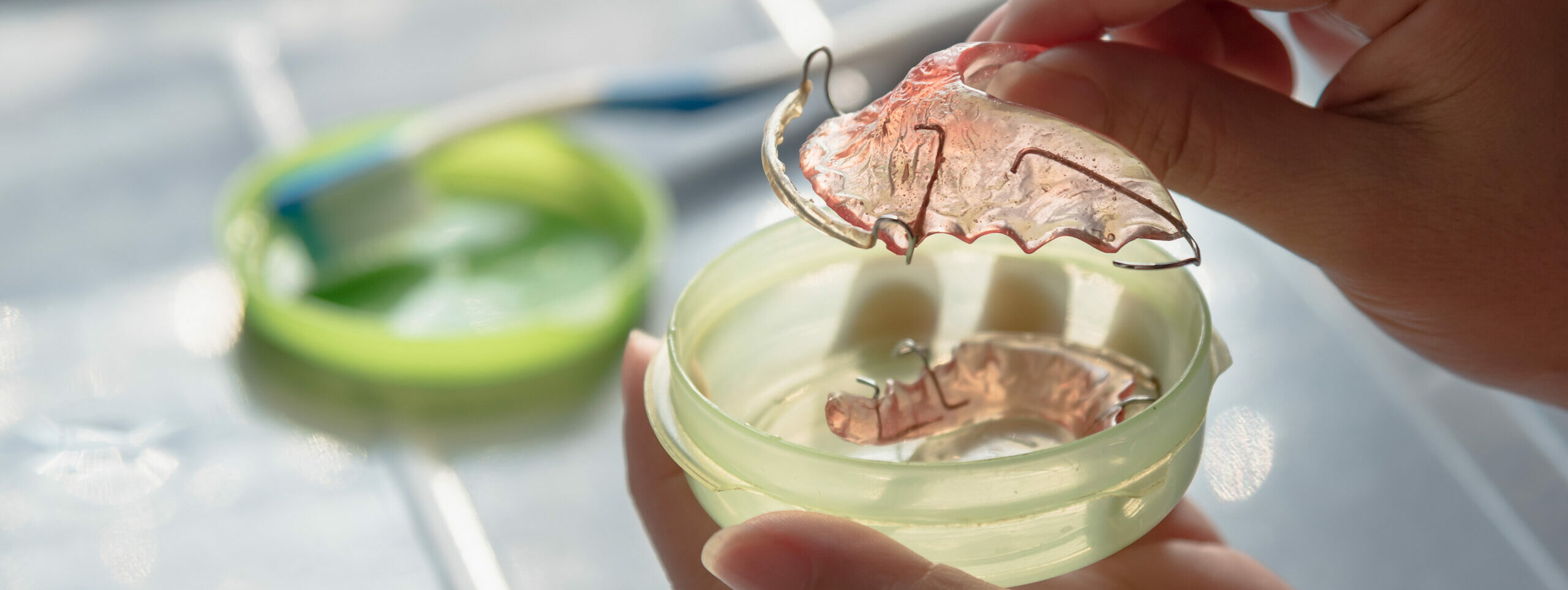
Congratulations, your braces are off! That’s a huge milestone, but now comes the important part: keeping that beautifully aligned smile in place.
Teeth have a natural tendency to shift, even after years of orthodontic treatment. Without a retainer, all that effort could slowly unravel, causing teeth to move back to their original positions. Think of retainers as insurance for your smile, a simple but essential step in maintaining your orthodontic results.
Not sure if you’re choosing the right retainer? Curious about costs? We’ve got you covered. Learn how much retainers cost and what to expect when making this long-term investment in your smile.
Table of Contents
Why Retainers Matter: The Science Behind Stability
Ever wonder why teeth don’t just stay in place after braces? Here’s the deal:
- Your teeth aren’t fixed in cement, they’re held in the jawbone by ligaments, and they can shift over time.
- When braces come off, bone and gum tissue need time to stabilize around the new positions of your teeth.
- Without a retainer, your teeth will gradually move back, a process called orthodontic relapse.
The First 6 Months Are Critical
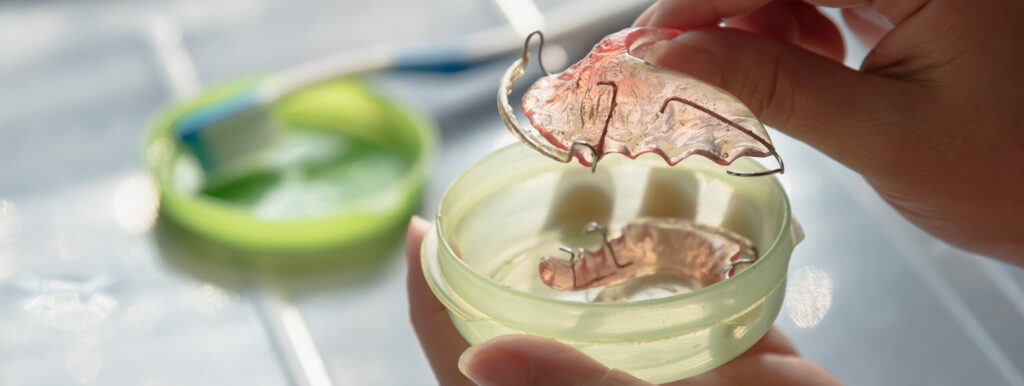
The period right after braces are removed is the most vulnerable. Your teeth are still adjusting to their new positions, and they will want to shift back if not properly supported.
- This is why, for the average patient, we recommend wearing your removable retainer full-time for the first 2 months.
- After that, most people can transition to nighttime wear only, but stopping completely is not recommended.
Think of it like setting concrete, if you remove the support too early, it won’t hold its shape!
Types of Retainers: Which One Is Right for You?
Retainers aren’t one-size-fits-all, your orthodontist will recommend a type based on your needs, habits, and lifestyle.
| Type of Retainer | Pros | Cons |
|---|---|---|
| Fixed (Bonded) Retainers | Always in place, no need to remember to wear it, invisible from the front | Harder to clean, can trap plaque if not maintained |
| Clear Plastic (Essix) Retainers | Nearly invisible, comfortable, easy to remove for eating | Can warp in heat, needs careful handling, wears out over time |
| Hawley Retainers | Durable, adjustable, allows for natural tooth contact | More visible, may affect speech initially |
Pro Tip: If you’re wondering how to clean around a permanent retainer, check out our brushing and flossing guide for braces, the same techniques can be applied to bonded retainers.
How Long Do You Need to Wear a Retainer?
The big question: How long do retainers stay part of your life?
- First 2 months: Wear it full-time.
- After about 2 months (your orthodontist will tell you when): Switch to nighttime wear only (typically forever).
Why Long-Term Retainer Use is Essential
Even though you may transition to nighttime wear after the first 2 months, your retainer should be part of your life indefinitely.
- Teeth never stop shifting, this natural movement happens as we age.
- Hulse Orthodontics recommends wearing retainers for life. Ask Dr. Hulse how often you should wear yours.
If your mouth often feels dry, mention it to your orthodontist or dentist. Our post on dry mouth with braces has more.
What Happens If You Stop Wearing Your Retainer?
Retainer neglect can lead to orthodontic relapse, meaning:
❌ Teeth will gradually shift back, undoing months or years of orthodontic work.
❌ You may need braces again if the shifting becomes severe.
❌ Gaps or crowding can resurface, affecting both appearance and function.
If you haven’t worn your retainer for a while and notice tightness when trying to put it back on, this means your teeth have already started moving. See your orthodontist immediately!
Lost or Damaged Retainer? Here’s What to Do
Accidents happen, so if your retainer gets lost, damaged, or no longer fits properly, don’t delay!
- Contact your orthodontist immediately to get a replacement.
- Do NOT wait weeks or months, teeth shift faster than you think.
- If it’s cracked but still fits comfortably, ask your orthodontist whether to keep wearing it until the replacement arrives.
Quick action can prevent expensive retreatment down the road!
How to Care for Your Retainer (So It Lasts!)
Your retainer works hard to keep your smile perfect, so let’s keep it in top shape.
Cleaning Tips:
- Brush it with a small bead of toothpaste on a soft toothbrush after you brush your teeth, gently but thoroughly.
- For freshness, soak it in mouthwash diluted with water for about 10 minutes.
- Deep-clean it daily with Retainer Brite cleaning tablets, or soak it in equal parts water and white vinegar for 20 to 30 minutes, then rinse well.
Storage & Handling:
- Always store it in its protective case, never wrap it in a napkin (hello, accidental trash can trips!).
- Keep it away from pets, dogs especially love to chew retainers.
- Avoid leaving it in hot cars or near heat sources, as plastic retainers can warp.
QUIZ: Are You Taking Proper Care of Your Retainer?
Take this quick quiz to see how well you’re maintaining your retainer!
1. What is the primary purpose of a retainer?
a) To whiten teeth
b) To maintain teeth in their new positions after braces
c) To protect teeth during sports
2. Where do you store your retainer when you’re not wearing it?
a) In its protective case
b) Wrapped in a napkin
c) On the bathroom counter
3. How often should removable retainers be cleaned?
a) Daily
b) A couple of times a week
c) Monthly
Results:
- Mostly A’s: You’re a retainer pro! Your orthodontist would be proud.
- Mostly B’s: You’re doing well, but there’s room for improvement!
- Mostly C’s: Uh-oh! Time to step up your retainer game before your teeth start shifting.
Final Thoughts: Protect Your Smile for the Future
Your braces journey may be over, but your smile still needs protection. A retainer is your best defense against shifting teeth, and with proper care, it’ll keep your teeth beautifully aligned for years to come.
Next Steps: Book a Retainer Check-Up!
If it’s been a while since your last orthodontic visit, schedule a check-up to ensure your retainer is doing its job. A small adjustment now can prevent big problems later!
Call or text (760) 448-1344
Visit us at Hulse Orthodontics
Book an appointment online at www.hulseorthodontics.com/contact/
The information provided in this blog is for educational and informational purposes only. It is not intended as a substitute for professional medical, or healthcare advice. Always consult with a qualified healthcare provider for diagnosis, treatment, and answers to specific medical questions.

Dr. Cameron Hulse grew up in Southern Orange County, California. While in his own orthodontic treatment in high school, Dr. Hulse realized how much his new smile changed him and decided he wanted to improve other’s teeth and smiles. Dr. Hulse pursued his dream and completed a BS in Zoology at Brigham Young University. Then he was selected to attend the University of Southern California’s prestigious School of Dentistry where he received his D.D.S.. After Dental School, he switched coasts and completed his orthodontic residency at Jacksonville University where he received his CAGS.